



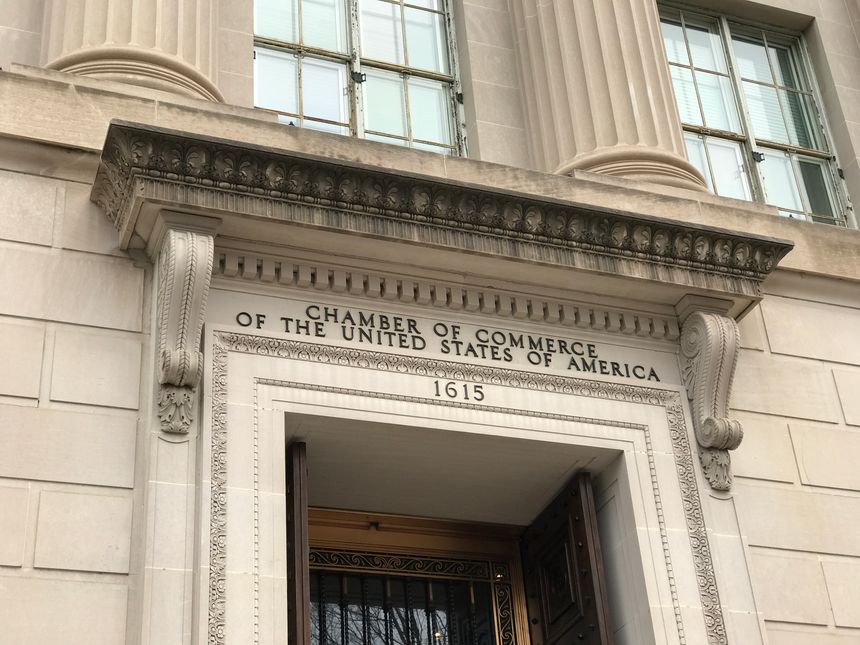
The US Chamber of Commerce recently held a symposium, cheekily entitled “Which Price is Right”, examining pricing practices and considerations from the lenses of consumer protection and antitrust. With inflation rising, and midterm voters increasingly focused on the “affordability” issue, the symposium analyzed what pricing practices that businesses can lawfully and unlawfully engage in.
The initial session reviewed basic economic principles that govern price-setting. For example, a retailer may identify a single item (e.g. milk or bananas) and may maintain a relatively low price on that item in recognition that consumers tend to judge the retailer's overall pricing policies based on the price of that item. This tactic might enable the retailer to raise prices on other items. A disfavored tactic might be to set prices without regard to prices offered by the competition.
Other panels focused on the amorphous issue of “fairness”, With Section 5 of the FTC Act and many state UDAP laws restricting “unfair” behavior to consumers, defining what one means by “fairness" and ”unfairness" is critical. Prohibiting “unfairness” does not necessarily imply the reverse: mandatory "fairness." Two passengers sitting next to one another on the same airplane, and paying different prices for essentially the same seat, is not necessarily unfair: perhaps one passenger purchased the ticket five months ago and the other purchased the ticket last week. In the era of AI, we are bound to experience dynamic and disparate pricing. This is not per se unfair.
In Europe, there are electronic, point of sale pricing tags in may stores. Although this can save money and enable rapid price changes, using them may unintentionally send a message that prices fluctuate rapidly, and thereby deter purchase.
Many have experienced the notorious “surge” pricing used by ride-hailing apps. Banning surge prices may feel good, but can inadvertently restrict the supply of drivers willing to provide a ride during that time. Similarly, software can be used that helps to maximize compatibility between drivers and riders, thereby enhancing safety by reducing drive/rider violence. In Europe, however, this kind of software is categorically banned.
There are prohibited practices now written into rules and policies of the FTC, such as perpetual sales, price fixing, hidden fees and unlawful free offers. But beyond these categorical bans, the commenters suggested that the FTC should take a light touch as it reviews pricing.
One area of debate focused on predatory pricing. Is the condemned practice simply offering a product below cost, or is it also the ability to recoup the initial losses by imposing higher prices in the future, once competitors have been driven by below-cost pricing from the market? If it is the latter (i.e., below-cost-pricing coupled with recoupment), then actual examples of it occurring are rare. Surely, a plaintiff could seek an injunction before it went out of business, but what sorts of evidence might it need to win?
Overarching all of this is the political question. Polls show rough parity between Democrats and Republicans on handling of the economy, a critical political factor. If trends continue, however, the GOP may lose its ownership of the economic issue.
/Passle/5fb3c068e5416a1144288bf8/SearchServiceImages/2026-10-15-19-12-41-278-6ad125a90e7e30becd8e3a93.jpg)
/Passle/5fb3c068e5416a1144288bf8/SearchServiceImages/2026-10-15-21-36-52-140-6ad14774aa6596dee34af4a3.jpg)
/Passle/5fb3c068e5416a1144288bf8/SearchServiceImages/2026-10-12-21-33-47-025-6acd523bc73178b1cd9448b4.jpg)
/Passle/5fb3c068e5416a1144288bf8/SearchServiceImages/2026-10-12-16-37-45-898-6acd0cd93a2af61876051cca.jpg)